
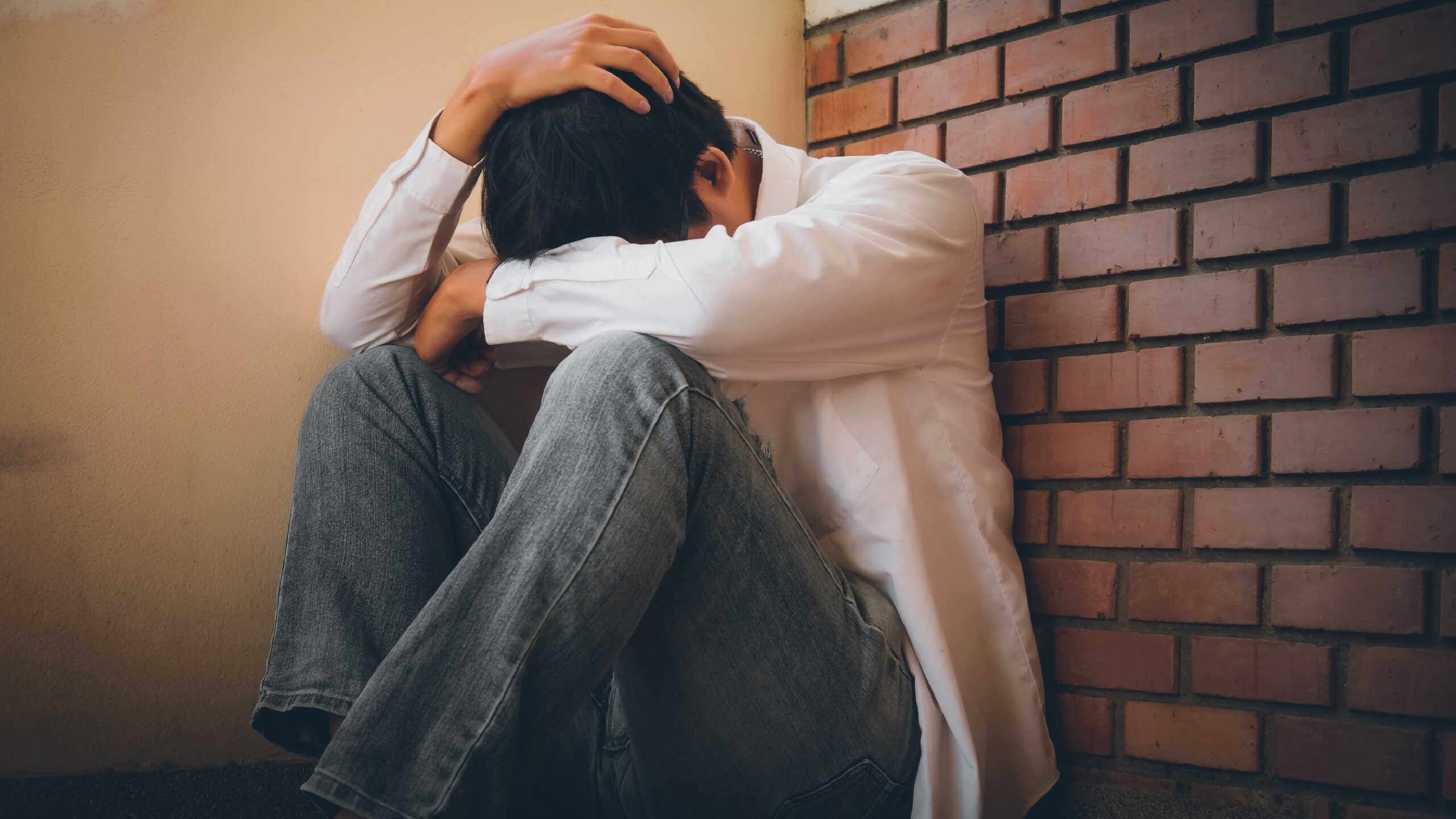
When we think of depression, we often conjure up the image of a sad, tearful woman. Depression is commonly thought of as a “women’s issue,” but according to Terry Real, psychotherapist and author on men’s mental health, relationships, and gender roles, male depression is America’s most under diagnosed disease. He argues that millions of men are suffering from what he calls “covert depression”.
This depression is masked by behaviors such as: rage, irritability, substance abuse, workaholism, risk-taking, emotional withdrawal, & domestic violence. You don’t see the actual depression, but rather what a person does to defend against it. Depressed men tend to oscillate between shame (feelings of “I’m not good enough”) and grandiosity (feelings of “I’m better than others”). Covert depression in men stems largely from disconnection from their emotions, themselves, and others.
These behaviors are often not recognized as depression, so men are less likely to seek help or receive proper treatment. According to the National Institute of Mental Health, 6 million men in the U.S. suffer from depression each year. As noted, however, many researchers suggest that the actual number is likely much higher due to underreporting and misdiagnosis.
Culturally Sanctioned Disconnection
To fit societal norms, our culture often teaches men and boys to disconnect from their emotions and vulnerability, attributes frequently labeled as feminine. This creates not only a disconnection from themselves, but also disconnection within their relationships, including their intimate relationships. Along with this detachment comes the absence of emotional safety, stunted emotional growth, and fractured relationships. Boys are traditionally socialized to be stoic, dominant, aggressive, and to subdue any display of emotion other than anger. We teach them that they are to bury any feeling that may create the appearance of “weakness” or “vulnerability”. Look at what it’s gotten us… generations of under-involved fathers, resentful wives, and seemingly angry husbands, who underneath the surface are actually sad and lonely.
Disadvantages of Powering Through
As a culture, we need to stop rewarding boys and men for “powering through” and masking or numbing their pain. Identifying and addressing emotional pain head-on is an act of extreme courage and bravery. It takes a lot more emotional strength and fortitude to actually feel our uncomfortable feelings and work through them, versus just numbing out. How many men do we know that are praised for being successful or “hard workers”, when in reality staying at work late may have less to do with work ethic and much more to do with avoiding going home to an unhappy marriage or an empty house? This self aggrandizing can serve as a way to justify what is actually maladaptive and avoidant behavior.
Celebrate Showing Real Strength
Boys and men need to not only give each other permission to express feelings and vulnerability, but praise each other for it. By internalizing the message that so-called “feminine” qualities are inherently inferior, it creates feelings of self-loathing and shame in men. We need to shift how we think about “strong men”. It takes a strong man to be willing to show vulnerability. Strong men cry. Strong men express not just their pain, loneliness, sadness, doubts, and shame. Strong men own their flaws and fears. Strong men lead by lifting up others, taking accountability for their actions, and staying in integrity with themselves and the people around them. Masking and avoiding uncomfortable feelings is not a strength.
Real Men Do the Real Work
Healing covert depression requires men to reconnect in heathy, emotionally intimate relationships, learn to feel their uncomfortable feelings and manage their emotions. It’s not easy, but mental health is well worth the effort.
If you are ready and looking for support, contact me today.